Delaying the progression of CKD
Contributors: Deborah Tucker and Dr. Micheli Bevilacqua, MD, FRCPC, MHA, CHE
Chronic kidney disease (CKD) is a long-term condition in which the kidneys gradually lose function. While there is no cure, progression can be slowed significantly through early detection, lifestyle changes, and medical management.
CKD affects an estimated 850 million people worldwide, yet often goes unnoticed until the later stages. However, the journey of CKD does not have to be an inevitable decline toward kidney failure. Today, with advances in understanding the disease and managing its risk factors, it is possible to delay CKD progression and preserve kidney function. Taking proactive steps can help patients maintain kidney function, improve quality of life, and delay the need for dialysis or transplantation.
Susan, who lives with kidney disease, recently shared how she changed lifestyle habits and activities to maintain her health and normalize her life as much as possible.
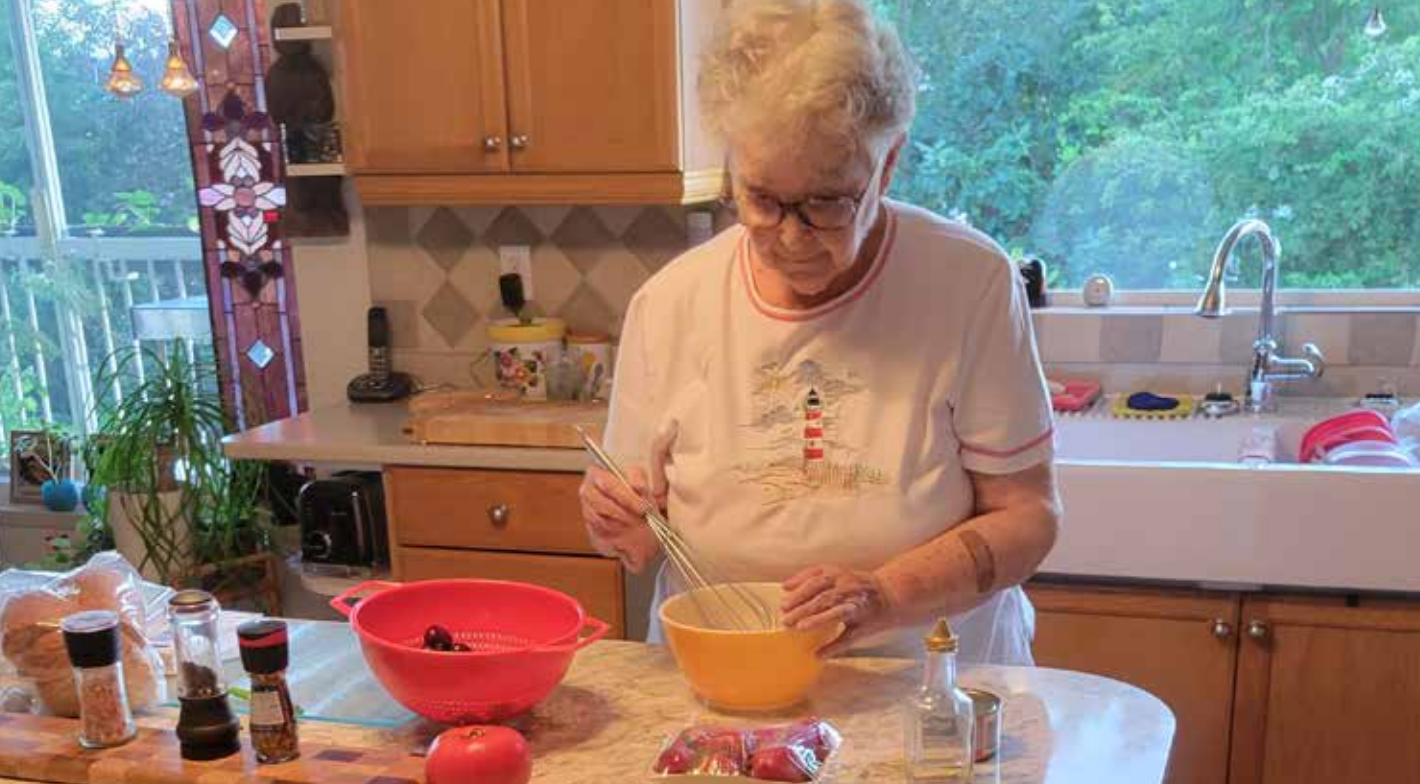
Susan cooking up a kidney-friendly meal
When Susan was first diagnosed with kidney disease it was a complete shock. “I had suffered with high blood pressure for 20 years but when I moved to BC from Ontario seven years ago, my blood pressure went through the roof.”
Knowing something was not quite right, she made an appointment at a local medical clinic and, after a series of tests, was told she had stage four kidney disease. “I could not believe it. I knew very little about the disease and that high blood pressure is a key risk factor.” Susan is not alone on that front.
A recent Ipsos poll conducted on behalf of The Kidney Foundation of Canada shows there is a significant gap in Canadians’ knowledge when it comes to kidneys, with 55% of people indicating they know nothing about kidney disease, and 52% lacking awareness of the risks.
“After the shock of my diagnosis, I felt alone. It was then I discovered the Kidney Foundation and reached out to the BC & Yukon Branch to learn about the various programs and services, in addition to educational and volunteer opportunities.”
Susan joined one of the volunteer chapters where she found others living with kidney disease in her community. “It was hugely therapeutic to speak to others going through similar experiences. I also attended some great educational sessions.”
Peer support can play a vital role in encouraging adherence to lifestyle changes. It provides patients with emotional encouragement, practical advice, and a sense of community. Engaging with others who share similar experiences helps individuals manage the psychological stress that often accompanies chronic illness, which in turn can improve quality of life.
As time went by, Susan wanted to do more and knew that volunteering could be an invaluable way to not only give back but also share her experience with others, so she decided to become a peer mentor. The Kidney Foundation offers programs that provide peer mentorship support, guidance, and companionship to those grappling with the realities of kidney disease. Mentors are supported with a comprehensive training program that can also offer the chance to reflect and understand more about themselves. “I was matched with three lovely individuals, each with their own story. While I found it very rewarding to share my journey, it was also beneficial for me as I learned from the mentees. “It’s a wonderful program.”
Research shows that movement and healthy lifestyle habits are important for kidney health. In the early stages of kidney disease, it may even help slow the progression, delaying or eliminatinng the need for dialysis or a transplant.
Today, Susan continues to work with her nephrologist and kidney care team to maintain her kidney function and do what she can to avoid dialysis. “My nephrologist wants me to adopt healthier lifestyle habits by walking and exercising more, as this is so important. I’m not much of a walker–never have been–but I was really pleased when I learned about the Kidney Wellness Hub.”

To help support healthy lifestyle habits and overall wellbeing, the Kidney Wellness Hub offers online tools, videos, and classes for staying active, eating well, mental wellbeing and socially connecting.
Susan participates in chair yoga for those with low mobility and Exercise Snacks—an initiative led by kinesiology students that involves a bite-size approach to exercise to build strength and mobility. Patients are offered individual check-ins to help them reach their goals.
An avid cook, she was also concerned with how kidney disease would impact what she could eat. But the Foundation’s kidney-friendly recipes and cooking classes led by renal dietitians put her at ease.
“I just want to normalize my life as much as possible and I am very grateful for the Kidney Foundation and how it supports me and so many others in the kidney community to do just that,” Susan adds.
Ultimately, delaying the progression of CKD requires a collaborative effort—patients, families, and healthcare teams working together with a shared goal: to preserve kidney health and enhance quality of life. While CKD remains a challenging diagnosis, it is no longer an unalterable path. Progression can often be slowed or even halted through informed, consistent action. Whether through lifestyle changes, medical treatment, or nutritional planning, early and ongoing efforts can make a significant difference. Empowerment, education, and regular care are the best tools against kidney disease.
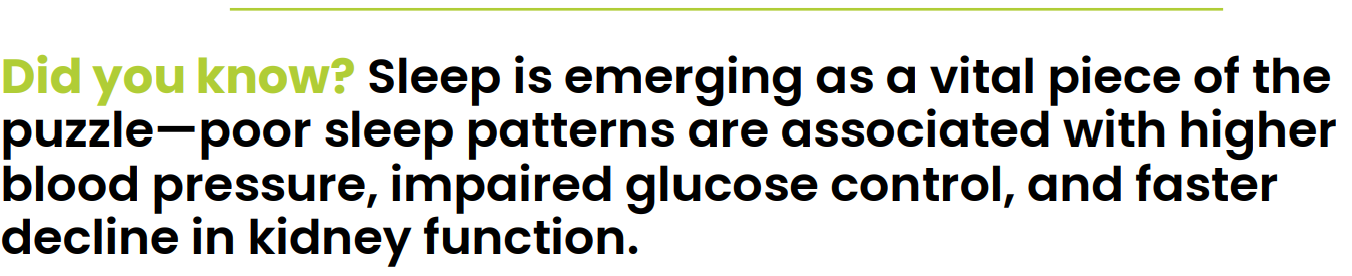
Researchers are increasingly exploring how factors beyond traditional medical treatment— such as gut health, stress management, and sleep quality—play a significant role in preserving kidney function. The gut microbiome, for instance, influences inflammation and toxin levels in the body; imbalances in gut bacteria may contribute to the buildup of uremic toxins, which can worsen CKD. Promoting a healthier gut through fibre-rich, kidney-friendly foods and possibly probiotics is showing promise as a supportive therapy. Meanwhile, chronic stress has been linked to high blood pressure and systemic inflammation, both of which accelerate kidney damage.
The Kidney Foundation has a number of resources on managing kidney health, including a handbook with information about the stages of chronic kidney disease and steps that can help you protect your remaining kidney function. Visit kidney.ca. The kidneywellnesshub.ca is a good source for on-demand cooking, exercise, and relaxation classes for kidney health.
This article is republished from the Kidney Magazine.