The Ultimate Sheet Pan Cooking Guide
Contributor: Dani Renouf, RD, MSc
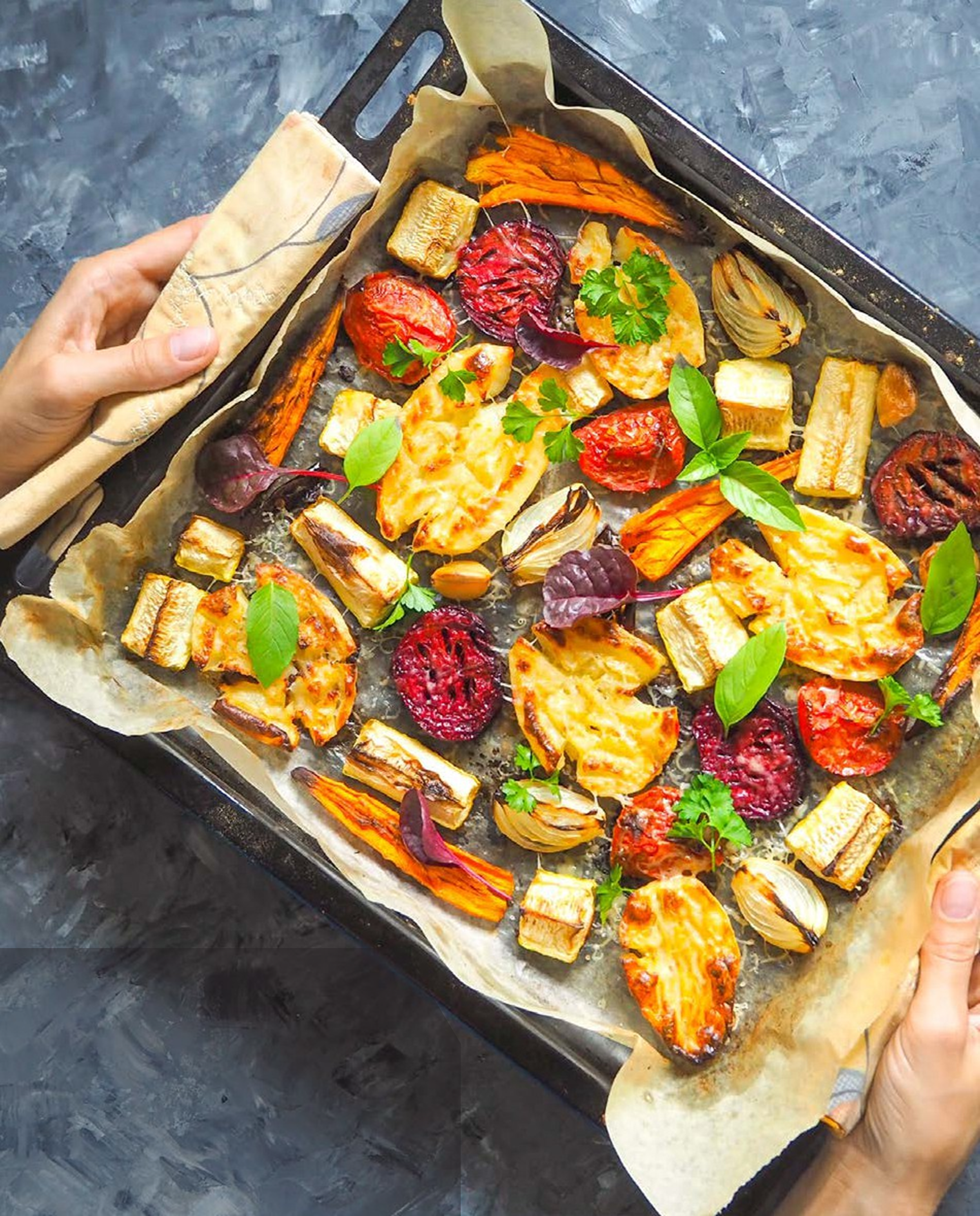
SHEET PAN COOKING is all about preparing an entire meal—protein, vegetables, and even grains—on baking sheets. Everything cooks together in the oven, creating flavourful, well-balanced dishes with minimal effort. Proteins often have different roasting times, so can be added before or after the vegetables as needed. Follow our guide to mastering the art of sheet pan vegetables and discover a world of new dinner ideas at your fingertips.
When life gets busy, healthy food often falls by the wayside. But there’s one method that can save time, minimize cleanup, and still deliver delicious, balanced meals: sheet pan cooking. This approach is a favourite for home cooks and health-conscious eaters alike, because it’s simple, versatile, and surprisingly cost-effective. Not least of all, roasting brings out all the wonderful flavours in vegetables. Try mastering a few things like quantity required for leftover meals, time per vegetable, and flavour options.
Healthy Choices Made Easy: By controlling seasonings and using whole ingredients, you can keep sodium, fat, and additives in check.
Endless Variety: Mix and match proteins (chicken, fish, tofu) with vegetables (carrots, broccoli, peppers, squash) for new combinations each time
Sheet Pan Basics
Choose the Right Pan: A large, rimmed baking sheet works best. Lining it with parchment paper or foil makes cleanup even easier.
Balance Cooking Times: Pair vegetables that cook at similar speeds, or cut root vegetables into smaller pieces so everything is ready together.
Season Simply: Olive oil, herbs, and spices go a long way. A squeeze of lemon or splash of vinegar at the end brightens flavours.
Don’t Crowd the Pan: Spread ingredients out so they roast evenly without steaming. Don't be afraid to use two pans as needed.
Sizing Vegetables and Combinations
Uniformity is key. The most critical rule is to cut all your vegetables into similar sizes so they cook evenly. If you are putting the vegetables in the oven at the same time, aim for about 1-inch pieces, ensuring they are easy to eat and achieve a good balance of tenderness and crispiness. They shrink about 25%, so err on the side of too large. Cut carrots on a slight diagonal for more visual interest and greater surface area for caramelization. Soft, quick-cooking vegetables like asparagus or green beans can often be left whole as they roast quickly. If you are roasting root vegetables with high moisture vegetables be sure not to mix them or use separate pans so they don't steam.
Sheet Pan Cooking for Kidney Health
For those supporting kidney health, sheet pan meals can be adapted easily:
Use low-sodium marinades or spice blends instead of salt-heavy sauces.
Choose kidney-friendly vegetables like cabbage, cauliflower, green beans, or bell peppers.
Cook smaller portions of protein, balancing with more vegetables to meet dietary needs.
Roasting also keeps nutrients intact while using little oil, making it a heart- and kidney-healthy cooking method.
Roasting Times
Vegetables roast best at 400°F. Times will vary depending on the size of cut vegetables.
Quick-cooking vegetables: (15-25 minutes): zucchini, yellow squash, bell peppers, green beans, asparagus, mushrooms, cauliflower, broccoli, tomatoes.
Dense vegetables: (30-60 minutes): carrots, parsnips, turnips, rutabaga, beets, sweet potatoes, winter squash, brussels sprouts.
Love Your Leftovers: Roasted vegetables warm up well in the oven or microwave without losing much texture. Softer vegetables are great for pureed soups and fritters, while firmer vegetables work well in protein bowls, pasta, and wraps. Making a large sheet pan batch lets you divide it into kidney-friendly portions for the week; or better yet, flash freeze and use for up to three months from frozen.
High potassium content in white potatoes can be reduced by boiling small dices, draining, and boiling a second time in fresh water before using. Learn more at kidneycommunitykitchen.ca.
This article is republished from the Kidney Magazine.