Mental Health Techniques
Addressing Stress and Anxiety In the Moment
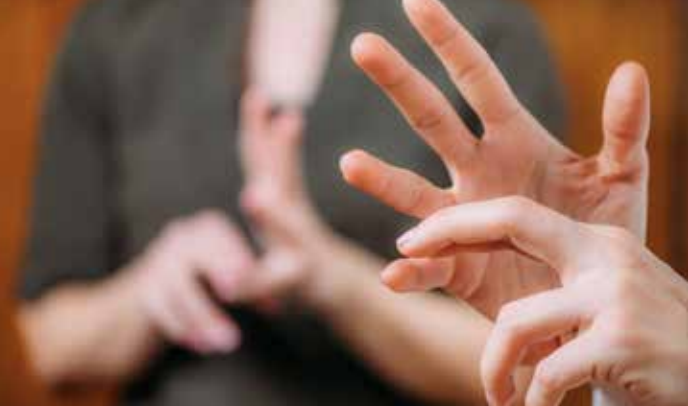
Emotional Freedom Technique
According to HealthLinkBC, emotional freedom technique (EFT) is a method to help manage emotions and lower stress or anxiety. EFT, which is also aptly called tapping, involves tapping your fingertips on certain points on your hand, head, and torso while focusing on a particular issue or emotion.
Stress can increase cortisol and adrenaline and raise blood pressure temporarily, contributing to chronic hypertension, which is a leading cause of kidney damage. Lowering stress and anxiety in turn helps to lower high blood pressure and better blood sugar control, while improving sleep and eating habits.

Deep Breathing Exercises
Deep breathing exercises can significantly reduce stress and anxiety for people with kidney disease who often face physical discomfort, fatigue, and emotional strain. It also improves oxygenation and circulation, which can be especially helpful in dialysis patients with fatigue or breathlessness.
Kidney patients also face greater rates of insomnia, which has a negative impact on mental health. Try breathing exercises before bedtime. For more information, visit kidneywellnesshub.ca/sleeping-well.

Music Therapy
Music is a powerful tool for reducing stress and anxiety, with strong support from both scientific research and clinical practice.
It activates the parasympathetic nervous system, lowers heart rate, blood pressure, and cortisol levels, and distracts from negative thoughts and worry loops. Music with slow, calming rhythms induce a meditative state.
At kidneywellnesshub.ca/musical-therapy you can learn more and see a sample playlist.
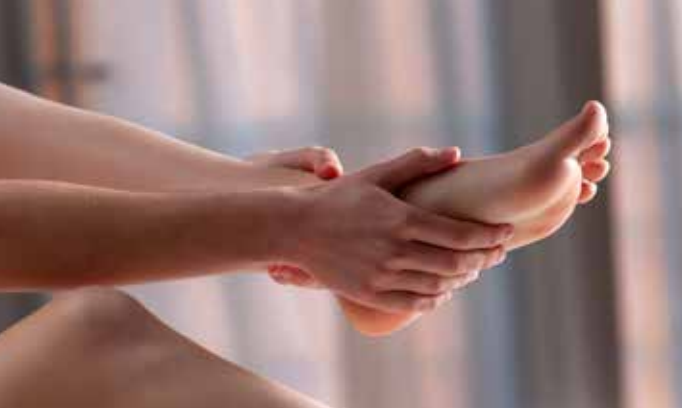
Progressive Muscle Relaxation
Progressive Muscle Relaxation (PMR) is a systematic technique where you tense and then relax different muscle groups in the body, one at a time. It typically starts from the toes and works upward to the head, or vice versa. PMR aims to lower heart rate, blood pressure, and cortisol levels. The process helps you become more aware of physical tension and teaches how to release it consciously promoting relaxation, improved sleep and decreased anxiety.
Visit bcrenal.ca to learn more about PMR.
This article is republished from the Kidney Magazine.